
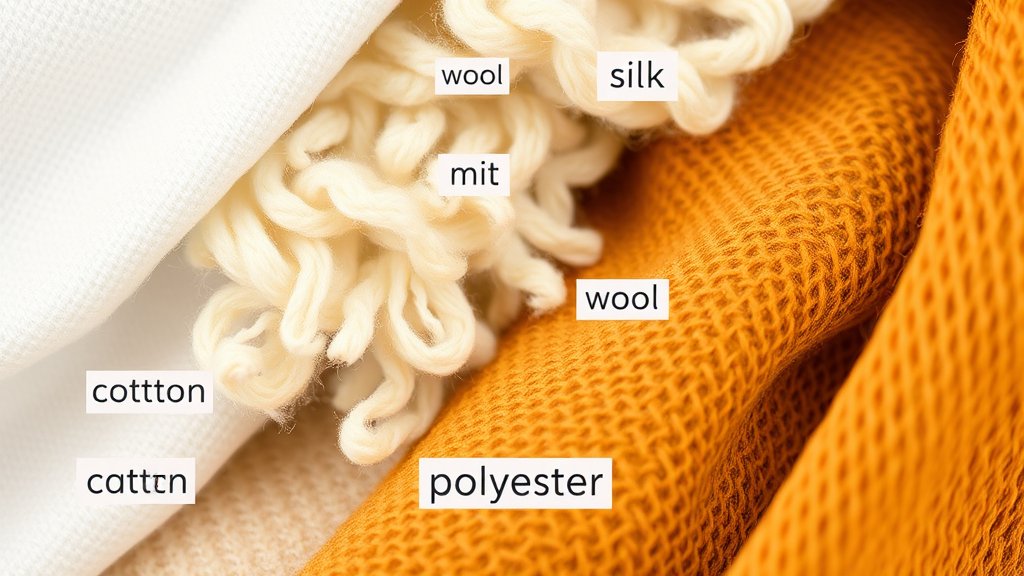
Choosing the right fabric for clothing or home decor is more than just picking something that looks nice. It’s about finding that perfect balance between comfort, durability, and sustainability. In this exploration, we’ll dive into the benefits of natural fabrics like cotton and wool, the strengths of synthetic materials, the perks of fabric blends, and why eco-friendly choices matter.
Natural fabrics tend to breathe better
Ever wondered why a cotton shirt feels so much cooler in the summer? Natural fabrics like cotton have this amazing ability to breathe. They allow air to circulate, which means less sweating and more comfort. Cotton fabric is soft, lightweight, and hypoallergenic – no wonder it’s a staple in wardrobes around the world. It’s like wearing a soft hug from nature.
On the flip side, when winter comes knocking, wool steps up to the plate. Wool isn’t just for knitting grannies – it’s for anyone who enjoys staying warm without feeling like they’re wrapped in a plastic bag. Wool fibers trap air, creating an insulating layer that keeps warmth in and cold out. Plus, it’s naturally water-resistant. Got caught in a drizzle? No problem, wool’s got your back.
And let’s not forget linen. Although it wrinkles like nobody’s business, linen is unbeatable when it comes to those scorching hot days. It’s breathable and has moisture-wicking properties, making it perfect for staying cool and dry. Sure, you’ll look a bit crumpled, but hey, that’s part of its charm.
Synthetics often mean durability
If you’re looking for something that can withstand the test of time (and a laundry machine), synthetic fabrics might just be your best bet. Think polyester, nylon, and acrylic. These materials are tough cookies – they resist shrinking, stretching, and most stains. This makes them ideal for everyday wear and tear.
Polyester is like the superhero of synthetic fabrics. It’s strong, dries quickly, and holds color well – no fading here! And let’s not forget its wrinkle resistance. Who has time to iron these days? Polyester blends often find their way into activewear because they can handle sweat without breaking a (metaphorical) sweat themselves.
Nylon is another powerhouse. Originally designed as a silk substitute during WWII (no joke!), it’s now a go-to for everything from stockings to sportswear. It’s stretchy yet retains its shape, which makes it perfect for anything that needs a bit of give.
Mixing it up with blends
Sometimes the best of both worlds come together in fabric blends. By combining natural and synthetic fibers, manufacturers can create materials that harness the strengths of each component. Think cotton-polyester blends – you get the breathability of cotton with the durability and wrinkle resistance of polyester. Win-win!
Blends can also enhance comfort. For example, adding a bit of spandex to a cotton fabric can provide that extra bit of stretch needed for a comfortable fit. Jeans with a touch of spandex? Yes, please! They move with you instead of against you.
There are also blends designed specifically for performance. Take moisture-wicking fabrics used in activewear – they often combine polyester with other fibers to enhance breathability and quick-drying capabilities. Whether you’re hitting the gym or going for a run, these fabrics keep you cool and comfortable.
Choosing materials for your lifestyle
Your lifestyle plays a huge role in determining which fabrics are right for you. Are you an outdoorsy type who spends weekends hiking? Durable synthetics or blends might be your best bet. Love lounging at home? Soft natural fabrics like cotton or bamboo could be more your speed.
For parents juggling kids and chores, easy-care fabrics are a lifesaver. Stain-resistant synthetics mean fewer hours scrubbing out spaghetti sauce stains (we’ve all been there). Additionally, incorporating faux fur fabric into home decor can add a touch of luxury while being easy to maintain. And let’s not forget machine-washable options – because who has time for dry cleaning?
On the other hand, if sustainability is important to you (and let’s be honest, it should be), natural fabrics or eco-friendly synthetics might be up your alley. More on that next!
Eco-friendly choices matter
In today’s world, making eco-friendly choices is more crucial than ever. The fashion industry has a significant environmental footprint, so opting for sustainable fabrics can make a big difference. Organic cotton is grown without harmful pesticides and uses less water than conventional cotton – definitely a step in the right direction.
Bamboo fabric is another great option. It grows quickly without needing much water or pesticides and feels incredibly soft against the skin. Plus, bamboo plantations absorb more CO2 than trees – talk about a win for the environment.
For synthetic lovers out there, recycled polyester offers a more sustainable alternative to virgin polyester. Made from recycled plastic bottles, it helps reduce waste and lower our carbon footprint. And it still retains all those great properties like durability and quick drying.
Conclusion
Choosing the right fabric isn’t just about fashion; it’s about finding what fits your lifestyle and values best. Whether you lean toward breathable naturals like cotton and wool or durable synthetics like polyester and nylon (or somewhere in between with blends), there’s something out there for everyone.
And with eco-friendly options becoming more accessible, we can all make choices that feel good on our skin and in our hearts. After all, our choices matter – from what we wear to how we care for our planet.